Registering a Dog in Bonner County, Idaho (Service Dog or Emotional Support Dog)
If you’re asking where do I register my dog in Bonner County, Idaho for my service dog or emotional support dog, it helps to separate three different concepts: local dog licensing (a city/county pet requirement), service dog legal status (a disability access issue under federal law), and emotional support animal (ESA) documentation (primarily related to housing rules, not public access). In Bonner County, the right place to start is usually your local law enforcement/animal control authority and your city offices if you live inside city limits.
Where to Register or License Your Dog in Bonner County, Idaho
Dog licensing and animal control responsibilities in Bonner County can involve county-level animal control and city-level police/administration depending on where you live. The offices below are official public agencies that residents commonly contact about animal control dog license Bonner County, Idaho questions, rabies enforcement, dogs at large, and local licensing rules.
Bonner County Sheriff’s Office (Animal Control / Enforcement)
Sandpoint Police Department (City of Sandpoint)
Other Bonner County Cities & Areas (Examples)
Bonner County includes multiple incorporated cities (for example, Ponderay, Dover, Priest River, Clark Fork, Hope, and East Hope). Because licensing is often handled at the city level, residents should contact their specific city hall or police department to confirm whether a local dog license is required and what documents are needed. (Office contact details differ by city and can change; only confirmed details are listed above.)
Overview of Dog Licensing in Bonner County, Idaho
What “dog registration” usually means
When people search where to register a dog in Bonner County, Idaho, they’re usually talking about a local dog license (sometimes also called a dog tag). A dog license is a local rule used to support animal control operations, connect pets to owners, and encourage compliance with public health standards like rabies vaccination.
City vs. county: why your address matters
In Idaho, dog licensing requirements are commonly established by the local jurisdiction. That means the rules can change depending on whether you live: inside city limits (such as Sandpoint) or in unincorporated Bonner County. If you’re trying to get the correct dog license in Bonner County, Idaho, confirm first which jurisdiction covers your home address and which office handles animal control enforcement for your area.
Rabies vaccination: a common requirement
Many jurisdictions require proof of a current rabies vaccination as part of dog licensing and rabies enforcement. Even when a local license is not required for every resident, rabies prevention still matters: keep your dog’s vaccination records current and accessible, especially if your dog may be exposed to wildlife (including bats) or if your dog bites or is bitten.
How Dog Licensing Works Locally in Bonner County, Idaho
Step 1: Identify your local licensing authority
Start by determining whether you live in an incorporated city (like Sandpoint) or in the county outside city limits. The licensing authority may be:
- A city office (often a police department or city clerk/finance office) for residents inside that city.
- County animal control enforcement (often coordinated through the Sheriff’s Office) for county-level animal control matters.
If you’re unsure, ask the Bonner County Sheriff’s Office (Animal Control/Dispatch) which agency handles your address. This is the fastest way to avoid paying the wrong place or following outdated instructions.
Step 2: Prepare your documents
While requirements vary locally, dog licensing typically asks for:
- Rabies vaccination proof (certificate from your veterinarian).
- Owner identification (to verify who is licensing the dog).
- Proof of residency (especially for city licenses or resident/non-resident fees).
- Payment of any licensing fee (if required by your jurisdiction).
Step 3: Know what animal control enforces
Even where licensing rules vary, enforcement commonly focuses on public safety issues such as dogs running at large, nuisance barking, cruelty/neglect, and bite incidents. In Bonner County, county animal control enforcement is associated with the Sheriff’s Office, and residents may be directed to dispatch for certain complaints.
Service Dog Laws in Bonner County, Idaho
Service dogs are not “licensed” the way pets are
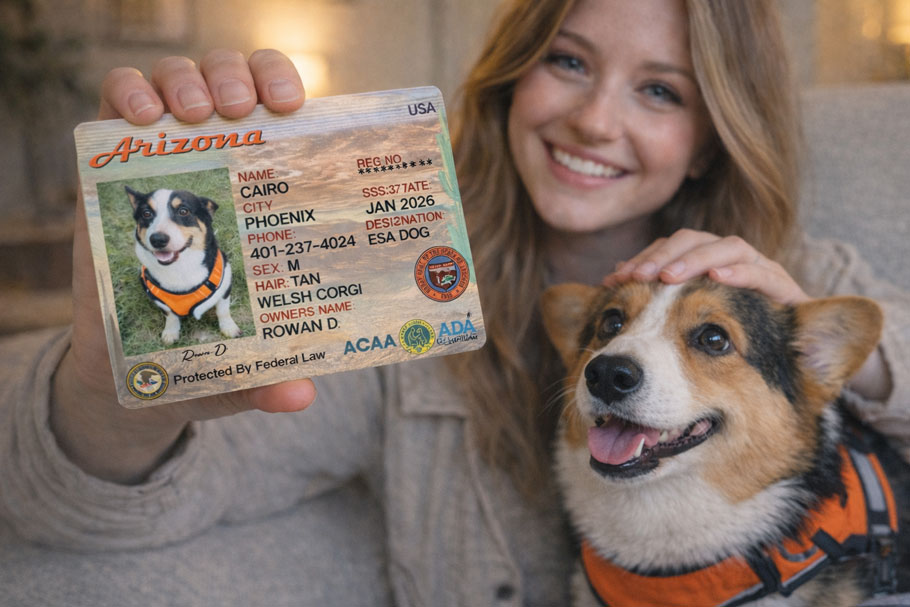
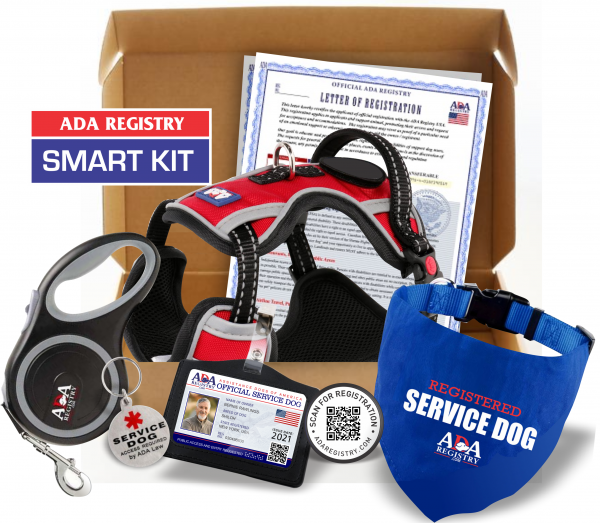
A service dog is defined by what the dog does: it is trained to perform tasks or work for a person with a disability. Service dog status is not created by buying an ID card online, adding a vest, or registering in a private database. If your goal is access to public places, the key is that the dog is trained to perform disability-related tasks and is under control in public settings.
Do service dogs need a local dog license?
In many areas, a service dog may still need to follow the same neutral public health and safety rules that apply to other dogs (for example, rabies vaccination and leash/control rules where applicable). Whether a dog license in Bonner County, Idaho is required for a service dog depends on the local jurisdiction’s licensing ordinance and any exemptions they provide. This is why it’s important to confirm requirements with the office that handles licensing for your address.
What businesses can ask (and what they can’t)
In general, public-facing businesses may be limited to asking whether the dog is a service animal required because of a disability and what work or task the dog has been trained to perform. They generally should not demand proof of registration, require an ID card, or ask about the person’s diagnosis. Local licensing or rabies rules, however, can still apply as neutral safety requirements.
Emotional Support Animal Rules in Bonner County, Idaho
ESAs are not service dogs
An emotional support animal (ESA) provides comfort by its presence, but it is not necessarily trained to perform specific tasks for a disability. That difference matters because ESAs generally do not have the same public-access rights as service dogs in places like restaurants, grocery stores, and other public accommodations.
What “ESA registration” usually means in practice
People often search for “ESA registration,” but most legitimate ESA situations are handled through housing processes (for example, a reasonable accommodation request). If you have an ESA, you may be asked by a housing provider to provide reliable documentation supporting the need for the animal as an accommodation. This is different from local dog licensing.
Do ESAs need a local dog license?
Yes, if your jurisdiction requires licensing for pets, an ESA is still typically considered a dog for licensing, rabies vaccination, and control requirements. So if you’re trying to figure out where to register a dog in Bonner County, Idaho for an ESA, you’re usually looking for the same licensing office used for any dog in your city or county area.
Frequently Asked Questions
Start with the office responsible for your location. For county enforcement and animal control questions, contact the Bonner County Sheriff’s Office. If you live within city limits (such as Sandpoint), contact your city’s police department or city office that manages any local dog license program.
Remember: a service dog is not made “official” by licensing, and an ESA is typically handled through housing accommodation processes. Local licensing (when required) is separate.
Licensing requirements are commonly set locally and may differ by city or unincorporated areas. The most accurate answer depends on your address. If you need help identifying the correct authority for an animal control dog license Bonner County, Idaho question, contact the Sheriff’s Office and ask which jurisdiction applies to your residence.
Often, yes. Many jurisdictions require proof of current rabies vaccination as part of licensing or enforcement. Keep your rabies certificate available, especially if you’re licensing a dog, moving between jurisdictions, or responding to an animal control inquiry after an incident.
Service dog status is based on training and tasks performed for a person with a disability, not on a private registry. Businesses typically focus on whether the dog is a service animal required because of a disability and what tasks it is trained to perform. Local requirements like rabies vaccination and control rules may still apply.
Generally, no. ESAs usually do not have the same public-access rights as service dogs. ESAs are most commonly relevant in housing contexts as a reasonable accommodation. For local compliance, an ESA is still typically subject to the same rules as other dogs, including any dog license requirements and rabies vaccination expectations.